
"roast degradation"
300 article(s) found

Coffee roasting and Coffee Flavor Coffee Flavor
Americans often say: One mans meat is another mans poison, that is, one person is regarded as delicious, others as poison. The aroma spectrum of dry distillation can be divided into three categories: resin rhyme, spicy rhyme and carbonized rhyme, as follows: 1. Resin rhyme: turpentine and choking turpentine: turpentine, chicory, mahogany, wine, blackcurrant branches and leaves: Rosemary, eucalyptus alcohol, Eucalyptus leaves,

How does treatment affect the Chemical composition of Coffee the effect of treatment on roasting techniques
Why do sun beans taste different from water-washed beans? What makes the sweetness of honey treated coffee more obvious? The method of raw bean treatment has a great influence on the flavor, aroma and alcohol thickness of coffee, and it is also an important difference for many people to choose coffee beans. The flavor and aroma of coffee brought by the place of origin will develop the flavor and aroma of coffee when roasted, and the aroma compounds will be reversed by many chemicals.
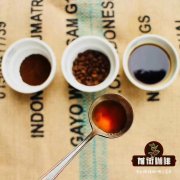
Coffee roasting | what are the similarities and differences between caramelization and Maillard reaction
Professional coffee knowledge exchange more coffee bean information Please pay attention to the coffee workshop (Wechat official account cafe_style) during the roasting process, about 90% of the sucrose will be degraded during the baking process to form a variety of products, including: formic acid (formic acids), acetic acid (acetic acids). Some experiments show that the content of acetic acid can increase by about 20 times in the early stage of baking, and acetic acid will increase in the later stage of baking.

Effect of coffee roasting on brown coffee powder
Roasting causes physical and chemical changes in coffee beans and ingredients, which determine the color and ignorance of brown coffee powder. During roasting, raw beans contain sucrose and white sugar are melted into caramel. It mainly affects the color of roasted coffee; the glycan contained in coffee beans is partially degraded to produce sugar aldehyde during roasting, which makes roasted coffee have a special grain flavor. In the process of roasting, the shape of acids

How does the treatment affect the flavor and taste of coffee? the treatment will affect the chemical composition of coffee.
Why do sun beans taste different from water-washed beans? What makes the sweetness of honey handling coffee more obvious? The method of raw bean treatment has a great influence on the flavor, aroma and alcohol thickness of coffee, and it is also an important difference for many people to choose coffee beans. The chemical changes that occur during the processing of coffee beans and how these changes affect the flavor in the cup. We can learn about it together.
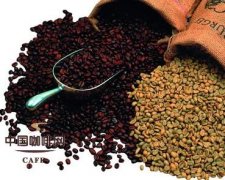
Effect of roasting on brown coffee powder roasting of boutique coffee beans
Roasting causes physical and chemical changes in coffee beans and ingredients, which determine the color and ignorance of brown coffee powder. During roasting, raw beans contain sucrose and white sugar are melted into caramel. It mainly affects the color of roasted coffee; the glycan contained in coffee beans is partially degraded to produce sugar aldehyde during roasting, which makes roasted coffee have a special grain flavor. In the process of roasting, the shape of acids

Effect of roasting and roasting of boutique coffee on brown coffee powder
Roasting causes physical and chemical changes in coffee beans and ingredients, which determine the color and ignorance of brown coffee powder. During roasting, raw beans contain sucrose and white sugar are melted into caramel. It mainly affects the color of roasted coffee; the glycan contained in coffee beans is partially degraded to produce sugar aldehyde during roasting, which makes roasted coffee have a special grain flavor. In the process of roasting, the shape of acids

Coffee common sense effect of roasting coffee beans on brown coffee powder
Roasting causes physical and chemical changes in coffee beans and ingredients, which determine the color and ignorance of brown coffee powder. During roasting, raw beans contain sucrose and white sugar are melted into caramel. It mainly affects the color of roasted coffee; the glycan contained in coffee beans is partially degraded to produce sugar aldehyde during roasting, which makes roasted coffee have a special grain flavor. In the process of roasting, the shape of acids
Coffee roasting and Coffee Flavor Wheel New version of Coffee Flavor Wheel
The deep roasting of counter-cultural coffee flavor wheel highlights that light roasting of wood incense can highlight the bright smell of sour flowers, grasses and fruits, but hopeless deep roasting fans fall in love with resin components such as incense, smelling, choking aroma and alcohol odor. this is the product of Mena reaction and distillation. Resin composition: pine and cypress families of Pinaceae and Taxodiaceae, both secrete oleoresin with spicy fragrance to protect against insect pests or

Coffee beans wither, too?
Deterioration refers to the change in which the properties of polymers are reduced and cannot be recovered. Due to the action of heat, light, ultraviolet light, oxygen, ozone and various chemicals, polymer materials will change their physical or chemical properties, such as discoloration, cracking, intensity reduction and so on. These external conditions can cause the breakage or cross-linking of the polymer main chain, resulting in structural changes and reduced properties. Baked coffee

Coffee Bean roasting Coffee roasting and Coffee Flavor Wheel
Deep baking highlights that light roasting of wood incense can highlight the bright smell of sour flowers, grass and fruit, but hopeless deep-baked fans fall in love with resin incense, smelling, choking aroma and alcohol smell, which is the product of Mena reaction and dry distillation. (resin composition: pine and cypress Pinaceae and Taxodiaceae, both secrete olefins with spicy aroma to protect against insect pests or squirrels.) dry distillation
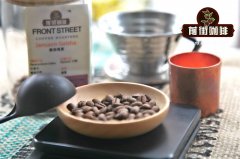
Changes in coffee roasting: what are the chemical changes in the roasting process of coffee beans
Professional coffee knowledge exchange more coffee bean information please follow the coffee workshop (Wechat official account cafe_style) do you know what happens when roasting coffee beans? What are the chemical changes that transform raw coffee beans into coffee ripe beans with charming flavor and rich aroma? The main chemical reaction heating coffee beans will trigger hundreds of different chemical reactions, and roasting will drop.
Changes in the roasting process of coffee beans changes occurred before and after roasting
Professional coffee knowledge exchange more coffee bean information Please pay attention to the volatile and non-volatile compounds in the coffee workshop (Wechat official account cafe_style) you may have heard that volatile and non-volatile compounds are produced during roasting. Generally speaking, volatile compounds are aroma, and non-volatile compounds are flavors. But what kind of substances are these? Volatile compounds

Chemical reaction and temperature during coffee roasting changes of reactive substances in coffee roasting process
Professional coffee knowledge exchange more coffee bean information please follow the coffee workshop (Wechat official account cafe_style) professional coffee roasting | coffee roasting is too complicated? A picture teaches you how the baking process reacts to the chemical composition of the baking. Sucrose: melting point 187.8 ℃-sugar? Complex = caramelization-water CO2 escapes to produce an explosive First Crack phenomenon. I'm in the roaster.
Coffee Flavor Wheel-World's Third Wave of Coffee Aesthetics
Deep baking highlights wood incense Light baking can highlight the bright smell of flowers, grass, fruit acid fragrance, but there is no medicine to save the deep baking fans love the incense, stuffy fragrance, choking fragrance and alcohol of resin components, which is the product of Mena reaction and dry distillation. (resin component: pine and cedar families of conifers, both of which secrete oleoresin compounds and have a pungent aroma to resist pests or squirrel nibbling) destructive distillation

Why do sun beans taste different from water-washed beans? Why is honey-treated coffee so sweet?
It has a great influence on the flavor, aroma and mellow thickness of coffee, and it is also an important difference for many people to choose coffee beans. In this paper, let's explore the chemical changes that occur during the treatment process and how these changes affect the flavor in the cup. The flavor and aroma of coffee brought by the origin will develop the flavor and aroma of coffee when roasted, and the aroma compounds will be caused by many chemical reactions.
The difference between Arabica beans and Robusta beans Why are Arabica beans superior?
Professional coffee knowledge exchange more coffee bean information please follow the coffee workshop (Wechat official account cafe_style) currently there are three kinds of coffee beans in the world: 1. Arabica (Arabica): accounts for about 90% of the world coffee market, the aroma is changeable, it is not easy to grow, and its uses are more in circulation in the boutique bean market. Robsta (Robusta): accounts for about 10% of the trade volume, strong plant life, lack of

What is the effect of coffee treatment on the chemical composition and flavor of coffee beans?
Professional coffee knowledge exchange more coffee bean information please follow the coffee workshop (Wechat official account cafe_style) Why sun-dried beans taste different from water-washed beans? What makes the sweetness of honey handling coffee more obvious? The method of raw bean treatment has a great influence on the flavor, aroma and alcohol thickness of coffee, and it is also an important difference for many people to choose coffee beans. This article lets us

The main components of coffee astringency nutrition table introduction
The astringency of coffee is mainly due to the degradation of chlorogenic acid into decaffeoylquinic acid during roasting. In addition, a small amount of tartaric acid contained in coffee is also a source of astringency. The astringency in coffee is mainly due to the coagulation of dicaffeoylquinic acid with proteins in saliva in the mouth and in the mouth.
Coffee roasting knowledge sharing, roasting will produce volatile and non-volatile compounds
Professional coffee knowledge exchange more coffee bean information Please pay attention to the coffee workshop (Wechat official account cafe_style) roasting will produce volatile and non-volatile compounds, generally speaking, volatile compounds are aroma, non-volatile compounds are flavor. Volatile compounds are organic chemicals with high vapor pressure at room temperature, many of which are in degradation.